Sunday, 7 December 2014

10 Ways to Build Healthy Bones


Bones are quite literally the support system of the body, so it’s super important to keep them strong and healthy. Bones are continuously being broken down and rebuilt in tiny amounts. Before about age 30, when bones typically reach peak bone mass (which varies from person to person), the body is creating new bone faster, but after age 30, the bone building balance naturally shifts and more bone is lost than gained.
Some people have a lot of savings in their “bone bank” because of factors including genetics, diet and how much bone they built up as teenagers. The natural depletion of bone doesn’t affect these lucky ducks too drastically. But in those with a smaller bone fortune, when the body can’t create new bone as fast as the old bone is lost, osteoporosiscan set in, causing bones to become weak and brittle and allowing them to fracture more easily. The disease is most common in postmenopausal women over the age of 65 and in men over the age of 70.
Although all this talk of menopause and older age makes the threat of osteoporosis seem like a long way off, know that once it sets in, it’s extremely hard to reverse. Since there’s no way of being 100% positive you’ll develop osteoporosis, the best way to counteract it is to take steps earlier in life to beef up bone mass (and prevent its loss) as much as possible.
Unfortunately, some are more likely than others to develop osteoporosis and weak bones in general (namely white and Asian postmenopausal women). Also unfortunately, it’s awfully difficult to change your race, gender or menopausal status. But never fear — there are some things that can be changed to bump up bone mass. Here are 10 tips to make deposits in your bone bank for a healthier future.
1. Know your family history. As with many medical conditions, family history is a key indicator of bone health. Those with a parent or sibling who has or had osteoporosis are more likely to develop it. “So, how’s your bone density, Grandma?” might seem like an awkward question at Thanksgiving dinner, but ask anyway before she passes the gravy.
2. Boost calcium consumption. When most people think bones, they think calcium. This mineral is essential for the proper development of teeth and bones. (Not to mention it’s a huge helper in proper muscle function, nerve signaling, hormone secretion, and blood pressure.)
But calcium isn’t the end-all, be-all bone loss cure. The key might be to help the body absorb calcium by pairing calcium-rich foods with those high in vitamin D. Some studies on postmenopausal women have shown that simply adding calcium alone to the diet doesn’t have a huge affect on bone density (though follow-up studies have suggested the opposite).
Foods that are good sources of calcium include yogurt, cheese, milk, spinach and collard greens. Not a dairy fan? Check out our list of non-dairy sources of calcium.
3. Don’t forget the vitamin D. Where there’s calcium, there must be vitamin D: the two work together to help the body absorb bone-boosting calcium. Boost vitamin D consumption by munching on shrimpfortified foods like cereal and orange juice, sardines, eggs (in the yolks) and tuna, or opt for a vitamin D supplement. Greatist Expert Eugene Babenko suggests getting your vitamin D (specifically vitamin D3) levels checked at your next doctor’s appointment, and to discuss the use of supplements with your doctor.
The body also produces vitamin D when exposed to the sun — 10 to 15 minutes of exposure three times per week will do. Vitamin D’s importance to bone health has been proven in studies on “seasonal bone loss” — elderly people can lose more bone mass during the winter because of lack of sun exposure. Though these and many other studies on bone loss looked at elderly people specifically, bone health is all about prevention, so younger folks should catch a few rays to stock up on D.
4. Boost bone density with vitamin K. Vitamin K is mostly known for helping out with blood clotting, but it also helps the body make proteins for healthy bones. However, the exact way vitamin K contributes to bone health is unclear. Two studies on young girls showed that vitamin K had different effects: one showed that vitamin K slowed bone turnover, but it didn’t have any effect on bone mineral density, while the other found the reverse.
Another study specifically compared the effects of vitamins K and D on calcium absorption in rats, and it turns out the two vitamins work well as a team: vitamin D stimulated calcium absorption in the intestines, while vitamin K reduced the amount of calcium excreted by thebody.
Regardless of how vitamin K might help, fill up on it with foods like kale, broccoli, Swiss chard and spinach.
5. Pump up the potassium. Potassium isn’t necessarily known for aiding bone health: it’s a mineral that helps nerves and muscles communicate and also helps cells remove waste. But it turns out potassium may neutralize acids that remove calcium from the body.
Studies in both pre- and postmenopausal women have shown that a diet high in potassium can improve bone health. In fact, the study involving premenopausal women showed an 8% difference in bone density between women with high potassium intake and those with low potassium intake.
Load up on potassium by eating foods like sweet potatoes, white potatoes (with the skin on), yogurt and bananas.
6. Make exercise a priority. Seriously. Regular exercise is key to keep a number of health issues at bay, and bone health is no exception. In fact, living a sedentary lifestyle is considered a risk factor for osteoporosis. One study comparing bone density in college women with various body weights and activity levels found that athletes with low body weight had the highest bone density of any group in the study, showing exercise (and low body weight) can have a positive effect on bone density.
What type of exercise is most effective? Weight-bearing exercises like running, walking, jumping rope, skiing and stair climbing keep bones strongest. Resistance training has also been shown to improve bone health in several studies, so pick up the weights after going for a jog. Bonus for the older readers: improved strength and balance helps prevent falls (and the associated fractures) in those who already have osteoporosis.
7. Consume less caffeine. Caffeine does have some health benefits, but unfortunately not for our bones. Too much of it can interfere with the body’s ability to absorb calcium. One study showed that drinking more than two cups of coffee per day accelerated bone loss in subjects who also didn’t consume enough calcium. Another study (albeit on elderly women) showed that more than 18 ounces of coffee per day can accelerate bone loss by negatively interacting withvitamin D. So enjoy the java, but keep it in moderation and consume enough calcium, too.
8. Cool it on the booze. But like caffeine, there’s no need to quit entirely. While heavy alcohol consumption can cause bone loss (because it interferes with vitamin D doing its job), moderate consumption (that’s one drink per day for women, two per day for men) is fine — and recent studies actually show it may help slow bone loss. Bottoms up!
9. Quit smoking. Here’s yet another reason to lose the cigarettes: multiple studies have shown that smoking can prevent the body from efficiently absorbing calcium, decreasing bonemass.
10. Don’t be an astronaut. Not to kill any childhood dreams, but because of those hours and hours of weightlessness and low-calcium diets, astronauts often suffer from space-induced osteoporosis. Space-anything sounds kind of awesome, but space bones definitely aren’t: astronauts can lose up to 1% to 2% of their bone mass per month on a mission! For those who simply must visit the moon, there is a possible solution: two studies have found that vitamin K can help build back astronauts’ lost bone — more than calcium and vitamin D.

Friday, 5 December 2014

get rid of low bp and high bp problems

If you've been diagnosed with high blood pressure (a systolic pressure — the top number — of 140 or above or a diastolic pressure — the bottom number — of 90 or above), you might be worried about taking medication to bring your numbers down.
Lifestyle plays an important role in treating your high blood pressure. If you successfully control your blood pressure with a healthy lifestyle, you may avoid, delay or reduce the need for medication.
Here are 10 lifestyle changes you can make to lower your blood pressure and keep it down.

1. Lose extra pounds and watch your waistline

Blood pressure often increases as weight increases. Losing just 10 pounds (4.5 kilograms) can help reduce your blood pressure. In general, the more weight you lose, the lower your blood pressure. Losing weight also makes any blood pressure medications you're taking more effective. You and your doctor can determine your target weight and the best way to achieve it.
Besides shedding pounds, you should also keep an eye on your waistline. Carrying too much weight around your waist can put you at greater risk of high blood pressure. In general:
  • Men are at risk if their waist measurement is greater than 40 inches (102 centimeters, or cm).
  • Women are at risk if their waist measurement is greater than 35 inches (89 cm).
  • Asian men are at risk if their waist measurement is greater than 36 inches (91 cm).
  • Asian women are at risk if their waist measurement is greater than 32 inches (81 cm).

2. Exercise regularly

Regular physical activity — at least 30 to 60 minutes most days of the week — can lower your blood pressure by 4 to 9 millimeters of mercury (mm Hg). And it doesn't take long to see a difference. If you haven't been active, increasing your exercise level can lower your blood pressure within just a few weeks.
If you have prehypertension — systolic pressure between 120 and 139 or diastolic pressure between 80 and 89 — exercise can help you avoid developing full-blown hypertension. If you already have hypertension, regular physical activity can bring your blood pressure down to safer levels.
Talk to your doctor about developing an exercise program. Your doctor can help determine whether you need any exercise restrictions. Even moderate activity for 10 minutes at a time, such as walking and light strength training, can help.
But avoid being a "weekend warrior." Trying to squeeze all your exercise in on the weekends to make up for weekday inactivity isn't a good strategy. Those sudden bursts of activity could actually be risky.

3. Eat a healthy diet

Eating a diet that is rich in whole grains, fruits, vegetables and low-fat dairy products and skimps on saturated fat and cholesterol can lower your blood pressure by up to 14 mm Hg. This eating plan is known as the Dietary Approaches to Stop Hypertension (DASH) diet.
It isn't easy to change your eating habits, but with these tips, you can adopt a healthy diet:
  • Keep a food diary. Writing down what you eat, even for just a week, can shed surprising light on your true eating habits. Monitor what you eat, how much, when and why.
  • Consider boosting potassium. Potassium can lessen the effects of sodium on blood pressure. The best source of potassium is food, such as fruits and vegetables, rather than supplements. Talk to your doctor about the potassium level that's best for you.
  • Be a smart shopper. Make a shopping list before heading to the supermarket to avoid picking up junk food. Read food labels when you shop and stick to your healthy-eating plan when you're dining out, too.
  • Cut yourself some slack. Although the DASH diet is a lifelong eating guide, it doesn't mean you have to cut out all of the foods you love. It's OK to treat yourself occasionally to foods you wouldn't find on a DASH diet menu, such as a candy bar or mashed potatoes with gravy.

4. Reduce sodium in your diet

Even a small reduction in the sodium in your diet can reduce blood pressure by 2 to 8 mm Hg. The recommendations for reducing sodium are:
  • Limit sodium to 2,300 milligrams (mg) a day or less.
  • A lower sodium level — 1,500 mg a day or less — is appropriate for people 51 years of age or older, and individuals of any age who are African-American or who have high blood pressure, diabetes or chronic kidney disease.
To decrease sodium in your diet, consider these tips:
  • Track how much salt is in your diet. Keep a food diary to estimate how much sodium is in what you eat and drink each day.
  • Read food labels. If possible, choose low-sodium alternatives of the foods and beverages you normally buy.
  • Eat fewer processed foods. Potato chips, frozen dinners, bacon and processed lunch meats are high in sodium.
  • Don't add salt. Just 1 level teaspoon of salt has 2,300 mg of sodium. Use herbs or spices, rather than salt, to add more flavor to your foods.
  • Ease into it. If you don't feel like you can drastically reduce the sodium in your diet suddenly, cut back gradually. Your palate will adjust over time.

5. Limit the amount of alcohol you drink

Alcohol can be both good and bad for your health. In small amounts, it can potentially lower your blood pressure by 2 to 4 mm Hg. But that protective effect is lost if you drink too much alcohol — generally more than one drink a day for women and men older than age 65, or more than two a day for men age 65 and younger. Also, if you don't normally drink alcohol, you shouldn't start drinking as a way to lower your blood pressure. There's more potential harm than benefit to drinking alcohol.
If you drink more than moderate amounts of it, alcohol can actually raise blood pressure by several points. It can also reduce the effectiveness of high blood pressure medications.
  • Track your drinking patterns. Along with your food diary, keep an alcohol diary to track your true drinking patterns. One drink equals 12 ounces (355 milliliters, or mL) of beer, 5 ounces of wine (148 mL) or 1.5 ounces of 80-proof liquor (45 mL). If you're drinking more than the suggested amounts, cut back.
  • Consider tapering off. If you're a heavy drinker, suddenly eliminating all alcohol can actually trigger severe high blood pressure for several days. So when you stop drinking, do it with the supervision of your doctor or taper off slowly, over one to two weeks.
  • Don't binge. Binge drinking — having four or more drinks in a row — can cause large and sudden increases in blood pressure, in addition to other health problems.

6. Avoid tobacco products and secondhand smoke

On top of all the other dangers of smoking, the nicotine in tobacco products can raise your blood pressure by 10 mm Hg or more for up to an hour after you smoke. Smoking throughout the day means your blood pressure may remain constantly high.
You should also avoid secondhand smoke. Inhaling smoke from others also puts you at risk of health problems, including high blood pressure and heart disease.

7. Cut back on caffeine

The role caffeine plays in blood pressure is still debatable. Drinking caffeinated beverages can temporarily cause a spike in your blood pressure, but it's unclear whether the effect is temporary or long lasting.
To see if caffeine raises your blood pressure, check your pressure within 30 minutes of drinking a cup of coffee or another caffeinated beverage you regularly drink. If your blood pressure increases by five to 10 points, you may be sensitive to the blood pressure raising effects of caffeine.

8. Reduce your stress

Stress or anxiety can temporarily increase blood pressure. Take some time to think about what causes you to feel stressed, such as work, family, finances or illness. Once you know what's causing your stress, consider how you can eliminate or reduce stress.
If you can't eliminate all of your stressors, you can at least cope with them in a healthier way. Take breaks for deep-breathing exercises. Get a massage or take up yoga or meditation. If self-help doesn't work, seek out a professional for counseling.

9. Monitor your blood pressure at home and make regular doctor's appointments

If you have high blood pressure, you may need to monitor your blood pressure at home. Learning to self-monitor your blood pressure with an upper arm monitor can help motivate you. Talk to your doctor about home monitoring before getting started.
Regular visits to your doctor are also likely to become a part of your normal routine. These visits will help keep tabs on your blood pressure.
  • Have a primary care doctor. People who don't have a primary care doctor find it harder to control their blood pressure. If you can, visit the same health care facility or professional for all of your health care needs.
  • Visit your doctor regularly. If your blood pressure isn't well controlled, or if you have other medical problems, you might need to visit your doctor every month to review your treatment and make adjustments. If your blood pressure is under control, you might need to visit your doctor only every six to 12 months, depending on other conditions you might have.

10. Get support from family and friends

Supportive family and friends can help improve your health. They may encourage you to take care of yourself, drive you to the doctor's office or embark on an exercise program with you to keep your blood pressure low. Talk to your family and friends about the dangers of high blood pressure.
If you find you need support beyond your family and friends, consider joining a support group. This may put you in touch with people who can give you an emotional or morale boost and who can offer practical tips to cope with your condition.

5 Key Habits to Maintain Your Weight Loss

Losing weight is no easy task, but maintaining a trim body often presents a new set of difficulties that leads many dieters to regain their lost weight. Studies have shown that between 80 to 95 percent of dieters regain lost weight, often gaining more than when they started (Tremblay, 2013).  The key to maintaining your weight is adopting healthy lifestyle habits that are repeated day in and day out.  Keeping extra weight off requires effort and commitment, through changes in eating habits, exercise and state of mind.  These five tips will help you maintain, and keep pursuing new challenges to improve your health and fitness.

1: Stop Restricting Calories

Losing weight through extremely low calorie diets can wreak havoc on your metabolism, leading to chronic fatigue, suppressed immune and thyroid function, and adrenal stress.  If you eat less and exercise more in order to lose weight, your body responds by increasing your appetite and lowering your resting metabolic rate, making it increasingly difficult to lose weight (Teta, 2013).  In order to maintain your weight loss, you must learn to eat full, balanced meals consisting of lean proteins, healthy fats, and plenty of fruits and vegetables.   

2: Acknowledge Progress and Reward Results

Maintaining your weight loss can be done through establishing a routine of healthy habits that become part of your new lifestyle.  As time passes and your health and fitness continue to improve, it’s important to acknowledge your progress and continue to reward the results you show.  Set weekly and monthly goals, and reward yourself when you hit your targets.  Have you completed all of the workouts you committed to?  Can you jump out of bed free of back pain?  Are you finally starting to see some definition in your abs?  Give yourself a pat on the back and celebrate!

3: Stop Wasting Money on Crutches

If you’re considering taking on a second job in order to afford the protein shakes and organic pressed juices, boxed meal programs and supplements that helped you lose the weight, it is time to rethink your priorities.  All of these are crutches, and are stopping you from taking control of your diet and sustaining a healthy weight.  Take time to analyze your schedule throughout the week, and set a schedule for breakfast, lunch and dinner.  Commit to cooking your own meals so you can control the portion sizes and ingredients used, and stick to eating your meals on the same schedule every day.

4: Stop Sacrificing Sleep

If you suffer from a lack of sleep, your body cannot maintain a regular appetite and eating schedule.  Your hormones become imbalanced, stimulating your hunger and decreasing the production of Leptin, which suppresses appetite.  If you regularly sleep less than seven hours a night, studies show that you may be as much as 30 percent more likely to be obese than those who sleep nine hours or more (MD-Health, 2013).  Avoid watching television or bringing unfinished work in your bedroom, and keep your sleeping environment cool, dark and quiet in order to get the best quality sleep.

 5: Stay Active, Stay Accountable

Finally, if you want to maintain your weight loss, you must stay active and accountable for continuing to live a healthy lifestyle.  Just because you have achieved your goal does not mean you should regress back to old habits.  Share your success story and tips through a support group or online forum, and find new motivation in inspiring others.


Thursday, 4 December 2014

How to Get Rid of Sweat Pimples for men and women

How to Get Rid of Sweat Pimples
How to Get Rid of Sweat Pimples 
During almost any sort of exercise, you inevitably sweat. This sweat can cause dead skin, excess oil and even bacteria to become trapped in the pores of your skin. Clogged pores allow bacteria to quickly multiply and often triggers an inflammation within the walls of your follicles, prompting the formation of what is commonly known as a sweat pimple. Because this type of blemish belongs to the acne vulgaris family, treatment involves standard skin care practices.

Step 1

Shower after exercise. Showering helps clean the pores of any dead skin, oil or bacteria that may have become trapped from sweat.

Step 2

Wash problematic areas twice a day. Any areas of the skin that are prone to developing sweat pimples should be washed twice a day. Use a gentle, non-drying cleanser to avoid irritating the skin.

Step 3

Clean exercise apparel after each use. Bands, cuffs and collars of gym clothes tend to trap sweat, oil and other particles more than other articles of clothing. By wearing soiled garments, you'll compound the problem and worsen the condition of your skin.

Step 4

Assess your exercise apparel. Workout attire that fits tightly can aggravate the skin and potentially causing pimples. Opt for loosely fitted clothing whenever possible.

Step 5

Keep your hair off of your face and neck for the duration of your workout. Hair can help trap excess oil, dead skin and bacteria within your pores.

Step 6

Start using an over-the-counter acne cream on problematic areas. Daily application of an acne cream can help to dry excess oil, kill bacteria and prompt some peeling. Peeling essentially exfoliates the skin, removing the dead cells and dirt that may become trapped in the pores.

Step 7

Talk to a dermatologist about a prescription acne medication. If the over-the-counter cream fails to provide results, you may need to use a stronger medication to treat the sweat pimples. Retinols are the standard course of care, but your dermatologist may recommend another form of treatment.

How to Get Rid of a Headache Fast

For example, gently pressing the webbed area between your thumb and index finger for about a minute can help ease your headache. Repeat on your other hand as well.
headache
Here are the top 10 ways to get rid of a headache fast.

 Water

If the cause of your headache is dehydration, you can easily get relief from the pain by rehydrating your body.
  • Simply drink a glass of water at the first sign of a headache and continue taking small sips throughout the day.
  • Along with water, you can have sports drinks. The electrolytes present in sports drinks can treat headaches caused by tension and dehydration.
When suffering from a headache, stay away from drinks like alcohol that can dehydrate your body.

 Ice Pack

Placing a cold compress like an ice pack on your forehead will numb the pain, help shrink the blood vessels and improve circulation to the area. This particular remedy works well for headaches due to stress or sinus problems.
  • Wrap some ice cubes or crushed ice in a thin towel. Hold it against your forehead for a few minutes. A bag of frozen vegetables can also serve as an icepack. Never apply ice directly on your skin as it can damage the skin.
  • Alternatively, apply a cold cloth on your head and temples for 10 minutes and repeat the process for some time until you get relief.

 Hot Water

Applying heat on the back of your neck can relieve headaches caused by stress. Heat relaxes tense muscles, thus alleviating the throbbing pain.
  • Simply apply a hot water bag to the back of your neck or take a hot shower directing the water onto the back of your neck.
  • Another option is to fill a tub with bearable hot water and put your hands in it for 10 to 15 minutes. This will improve blood circulation and thus give you relief from the headache.
  • If you suffer from chronic headaches, you can dip your legs in a bucket filled with hot water for 10 minutes before going to bed.

 Lemon

Lemon is a very effective and powerful ingredient to treat headache because it is refreshing and relaxing. Plus, it helps maintain the acid-alkaline balance in the body.
  • Drinking warm water mixed with juice squeezed from one-half of a lemon will reduce the intensity of a headache. This particular remedy is beneficial for headaches caused by gas in the stomach.
  • Another option is to apply lemon crusts, pounded into a paste, on your forehead to immediately relieve pain.

 Apple

Both apples and apple cider vinegar can be used to fight off a headache. They help restore the acid-alkaline balance in the body. Furthermore, simply the smell of green apples can help reduce migraine headaches.
  • When you wake up in the morning with a headache, eat a piece of apple sprinkled with some salt. Then drink some warm water.
  • Alternatively, fill a large bowl with steaming hot water and add 3 to 4 tablespoons of apple cider vinegar to it. Hold a towel over your head and take in the steam for 10 to 15 minutes.
  • Another option is to add 2 teaspoons of some apple cider vinegar to a glass of water. You can also add a little honey and lemon juice. Drink it 2 or 3 times a day.

 Peppermint

Peppermint has calming and soothing properties that can help treat headaches.
  • You can make an herbal tea by adding 1 teaspoon of dried peppermint to a cup of boiling water. Cover and let it steep for 10 minutes. Strain and add some honey to sweeten it. Sip the tea slowly.
  • You can also use peppermint oil to gently massage your temples, jaw and the back of your neck for instant pain relief.
  • In addition, inhaling the soothing aroma of peppermint steam can ease headache as well as accompanying symptoms, such as nausea and vomiting.

Ginger

ginger slices
Ginger has anti-inflammatory properties that can help ease headache pain. It also helps relax the blood vessels in the head, reduces swelling in the brain and activates natural opiates in the brain that help lessen the pain.
Simply drink ginger tea up to 3 times a day to reduce inflammation in the body and alleviate headache pain. It is important to start at the onset of the headache so the ginger can act quickly.

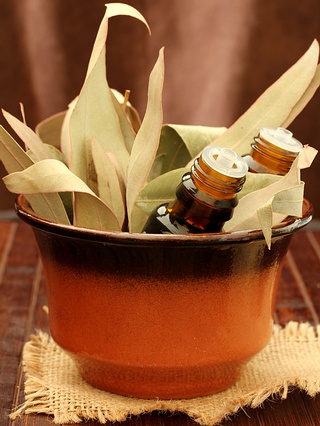
Eucalyptus Oil

eucalyptus oil
Eucalyptus oil has pain-relieving and anti-inflammatory properties. It provides a soothing effect and helps relax tense muscles contributing to a headache.
Simply massage your forehead and temples with eucalyptus oil for 15 to 20 minutes. Along with eucalyptus oil, you can use coconut or almond oil.

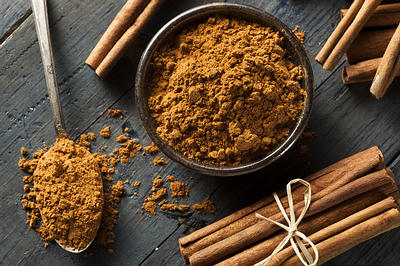
 Cinnamon

cinnamon
Cinnamon is another herb that can effectively treat headaches. This remedy is helpful for headaches caused by exposure to cold air.
  1. Grind some cinnamon sticks into a powder.
  2. Add some water to make a thick paste.
  3. Apply it on your forehead and temples and lie down for 30 minutes.
  4. Wash if off with lukewarm water.

 Betel Leaves

betel leaves
Betel leaves are known for their analgesic as well as cooling properties, which can effectively alleviate a headache within a few minutes.
  • Put 2 to 3 fresh betel leaves in a grinder to make a fine paste. Apply this paste on your forehead and temples. Leave it on for 30 minutes. Soon you will get relief from the intense pain.
  • You can also chew 1 or 2 betel leaves to treat a headache.
So, next time you get a headache, just try some of these natural remedies to get rid of it quickly and effectively. However, if you have frequent headaches, consult a doctor.


Tuesday, 2 December 2014

6 Fast-Acting Tips To get rid of bad breath


Do people recoil when you’re talking to them and cover their noses? Do flowers wither as you walk by? Do people offer to call you on the phone when you request a face to face meeting?Get a clue – you’ve probably got really bad breath!


Unfortunately, there’s a major design flaw in the human body. We can’t smell our own breath – despite the fact that our nose is directly above our mouth! Sure there are plenty of remedies out there for curing bad breath. But until someone has the guts to tell you that your breath smells like the bottom of a garbage can, you’re going to go about your daily life wondering why a FACE TO FACE meeting with you means a good 30 feet between you and the other person!

1. Brush & Floss Regularly

Your mouth is a playground for a vast array of different bacteria. Some are harmless while others perform useful functions – in a healthy mouth. If you’re a smoker though, or you don’t brush and floss regularly, then you’re asking for trouble.Food gets trapped in the teeth and as is the way with any food left lying around in a dark, warm and damp environment it starts to rot and with that comes that oh-so-unpleasant odor.
It’s important to brush and floss at least twice a day. Most of the damage to teeth is done at night. Bacteria that break down food particles produce acids that eventually break down the dentin and enamel on the surface of the tooth, leading to tooth decay and bad breath.
Your mom was right when she forced you to brush your teeth before you went to bed!
Poor oral hygiene has also been linked to other diseases, including heart disease, joint and vascular problems. So do your mouth and your body a favor and brush regularly – especially at night – your body and your friends will like you better for it.
Unfortunately fighting bad breath for some people is a daily battle. Diabetics often exude a strange chemical odor, or bad breath may actually be a symptom of respiratory tract diseases.
If you’ve done everything you can to try to maintain a clean mouth but still have halitosis, then it’s probably time for a trip to the dentist. Often your teeth will just require a good cleaning to remove the layer of plaque that builds up and can harbor unfriendly, stink-producing bacteria. Persistent bad breath could also be a sign of gum disease.
Back in the day, doctors often asked you to stick out your tongue when you were feeling unwell. You can tell a lot about a person’s health just from a quick visual examination of the mouth. The tongue can hide a lot of secrets, especially harmful bacteria.
After flossing and cleaning your teeth thoroughly, you can either use a specially-designed tongue scraper for removing some of the thousands of bacteria living on your tongue or give it a quick scrub with your toothbrush. You may be amazed at how much fresher your mouth feels afterwards!

2. Stay Hydrated


When a mouth becomes devoid of saliva, odor-causing bacteria can thrive. Saliva contains oxygen that deters the growth of oral bacteria. The solution is to always drink plenty of fluids, preferably water, to keep bacteria at bay.

3. Avoid Pungent Foods

One of the most disgusting smells is garlic breath. Onions and other strongly-flavored foods can also be culprits.
Not only do you end up with bits of these foods caught between your teeth but when they’re digested they make their way into the bloodstream and can be exuded by the lungs, making your breath doubly-stinky. If you’re prone to bad breath, especially in the afternoons and even if you do brush after eating lunch, try cutting out these odorous little ingredients.

4. Drink Water after Your Coffee

Following on from odoriferous foods such as garlic and onions, we come to drinks. Liquors such as whisky smell pretty bad even before they’re consumed. But when strong-smelling liquors and beers enter the bloodstream they are exhaled in the breath – and smell even worse.
But it’s not just alcohol; sodas and coffee are just the same. They lower the pH balance in the mouth, allowing bacteria to thrive. By drinking a glass of water after your coffee you can restore that pH level back to normal. Better still, avoid the sugary sodas altogether and just drink the water! The coffee, well, that’s probably too much to ask.

5. Gums & Mints

There’s a wide selection of gums and mints available that may help you keep your breath smelling sweet temporarily. If it’s impossible for you to brush your teeth or use a mouthwash throughout the day, find a gum that may do the trick.
The sugar-free kinds are a good choice, but mints and gums are only a temporary fix – all they do is mask the problem for a few minutes. They leave even more residue for bacteria to feed on, long after they’ve been consumed.
The solution is to look for a gum that contains Xylitol, and we’ll explain why below.

6. Use Xylitol Products Combat Bad Breath

Xylitol is a natural product that’s found in many kinds of fruit, berries, corn husks, oats and vegetables. It looks and tastes exactly like sugar but without all the side-effects – one of which is bad breath.
By using Xylitol as a sweetener or breath-freshening gum, oral bacteria have nothing they can feed on, unlike sugar. The chemical composition of Xylitol eliminates the problem. Xylitol does not upset the pH balance in the mouth. Oral bacteria are simply not able to use it as a food source, or break it down to produce harmful acids. It’s also perfectly safe for diabetics as it has a much lower glycemic index than sugar.
To combat bad breath look for a gum that contains Xylitol and carry a pack around with you. Chew a piece after every snack or meal and you’ll soon be able to kiss your bad breath goodbye.
The bottom line is, if your mouth is pushing people away even BEFORE you speak, take a few of the tips above and PLEASE (for the sake of others and your health) use them!

6 Ways to Naturally Whiten Your Teeth

1. Brush After Drinking or Eating
The best way, but not always the easiest is to simply brush your teeth after eating or drinking something. This takes a lot of persistence and can even be kind of difficult depending on where you are at the time. Most food does not stain teeth, but if you are a coffee drinker or if you smoke, you can pretty much count on having discolored teeth from staining. If this is the case then having your teeth cleaned every three months may be in order, besides trying some of the natural remedies listed here.
2. Baking Soda and Hydrogen Peroxide
This works great as a natural teeth whitener. Many people confirm to the fact that it does make their teeth look whiter. Mix a small amount of hydrogen peroxide with a small amount of baking soda to make a paste. Brush your teeth as usual, making sure you brush those back teeth too. Hydrogen peroxide is an anti-bacterial agent and works great as a total mouth and gum cleaner and keeps the mouth free of germs.
Baking soda is a gritty substance like sandpaper so be careful that you have enough hydrogen peroxide mixed in with the soda because if you don’t it can very well scrub the enamel right off your teeth and enamel does not grow back. The paste should not be gritty at all, and in fact it should be a runnier paste than a stiff paste.
Can it be true? Coconut oil to clean your teeth? Just when you thought you heard it all when it comes to coconut oil, along it comes to the rescue as a teeth whitener. Some people are attesting to their teeth becoming whiter by applying coconut oil to their teeth after they brush.  But for most people, they are praising the results of oil pulling.  Simply put a spoonful of coconut oil in your mouth and swish it between your teeth for 5 to 20 minutes.  Or add a few drops to your tooth brush and simple brush it on, or add the coconut oil to a corner of a clean wash cloth and rub it on.  Also, coconut oil has antimicrobial properties so it’s great for your gums as well.
It makes sense that apple cider vinegar would eventually remove stubborn stains on the teeth, especially from coffee and nicotine. It has been proven that it does work but you have to be consistent and it takes a least a month of continuous usage to see results. Some say that using ACV looks like you just got your teeth professionally cleansed.  Be careful, as with all acids, it can remove the enamel on your teeth as well. After brushing with ACV, you will need to brush again with regular toothpaste, preferably a non fluoride paste, or rinse your mouth out really well.
5. Lemon or Orange Peels
There have been reports that lemon and or orange peels will also do the trick of whitening your teeth. Guess you don’t know until you try.  Here again, these food products are very healthy and good for your stomach but the acid content might eventually wear away the enamel on the teeth. So if you use lemon or orange peel always rinse afterwards to be on the safe side. A good oral mouth rinse is hydrogen peroxide because it keeps breath fresh by eliminating bad breath and also is a very good bacterial agent. Use half water and half hydrogen peroxide, swish around in your mouth and leave in for at least a full minute.
6. Strawberries
It has been said that Catherine Zeta Jones whitens her teeth with strawberries. Who would have thought? Tyra Banks tried this teeth whitening trick on her show. She simply mashed up about four or five strawberries and rubbed this yummy mixture all over her teeth. Tyra Banks teeth are already really white from having them bleached so you couldn’t really tell any difference. Some people say this really does work, and if Catherine Zeta Jones rubs her teeth with strawberries, it must be worth giving it a try.  Some people say this works right away. Rinse well afterwards.]

Some Natural Whiteners Can Eradicate Enamel
Some teeth whiteners are just not a good idea to use, especially lemon juice.  The acid in the lemon juice does great for bleaching clothes, hair, and getting stains out of furniture, but you wouldn’t want to put lemon juice on your teeth every single day. Eventually the acid creates tiny holes in your teeth and then every kind of staining type food will seep into these tiny holes and remain there. The acid from the lemons is so strong it just eventually wears away the teeth causing cavities.
Can Teeth Whitening Harm Teeth?
Apparently many people are going for the gusto to have whiter teeth and are turning it into an addiction. Here’s what one dentist had to say about teeth whitening strips. “There are people who can never get enough,” says New York City dentist Dr. Irwin Smigel, president of the American Society for Dental Aesthetics. “I’ve had situations where people have needed root canals because they’ve overbleached, where tissues were damaged. You can wear away some of the enamel and your teeth will become translucent and unnatural. They’ll become blue or blue gray.”
Research has shown that teeth whitening products can damage the teeth by removing the enamel. Constant application of whitening strips have been shown to cause erosion of enamel over time and results in tooth sensitivity, especially  with eating hot and cold liquids and foods.
Bottom line is whitening strips should be used in moderation. Teeth bleaching products should only be used under the guidance of your dentist. The best way to whiten teeth is by feeding your body lots of healthy foods for strong bones, teeth and gums and omitting coffee, tea and sugary foods in your diet. If you smoke, stop smoking. And brush and floss your teeth every day!

Monday, 1 December 2014

Natural Home Remedies to Get Rid Of Hair fall Problem for men & women

Life becomes a Nightmare when you have to deal with Hair fall problem. Hairs make a girl look prettier, you can add oomph to your personality with makeup, fake eyelashes, high heels, branded clothes, but nothing can take place of beautiful Hairs. Black, Long,lustrous and healthy hairs, these 4 words seems like a beautiful dream in today’s World, Isn’t it? Every girl in this world would die for long, lustrous, healthy and beautiful black hairs and why not? Hairs are the beauty secret of any girl. Dealing with Hair fall problem becomes easier, when you have Home Remedies to get rid of Hair fall problem. These remedies are safe, natural and free from chemicals. Now these home remedies will help you get rid of Nightmares of getting bald that have kept disturbing you.
Today, there is so much pollution in the air, so many chemicals in the Hair products. Hair fall is the biggest problem we all are facing. Then what to do to get healthy hairs? How to get rid of Hair fall Problem? Before talking about the home remedies of Hair fall, let’s bust out the myth of Hair fall with which, most of the companies are selling their products scaring you like anything.
Let’s bust the myth and then know the home remedies that can help you get rid of Hair Fall in matter of few weeks.

Hair Fall- The Myth

Hair Fall Problem Solutions
Everyone is so worried about hair fall, that people do not realize that, Are they actually having a problem, or is this hair fall normal. Do not get shocked, and keep reading. Yes, If you could remember, a few years back there were no conditioners in the market and before that, there used to be a single shampoo from every single company and no variants for your Hair problems. Then why did they come up with, different variants for smooth hairs, hair fall and all other problems.
Actually, hair fall is natural. Yes, it is a normal human being loses 100 hair strands a day and that is very much normal and healthy. What companies are doing is, to sell their products they make you believe that your hair falling might lead you to baldness. You are losing your hairs from the day you born, why didn’t you get bald? Think about it….
Does this mean, there is nothing like Hair Fall Problem? No, there is a problem named Hair fall. When you lose your hairs badly-
  • You comb and get a big amount of hairs falling and breaking
  • You wash your Hairs and find lots of hair on the floor
  • You don’t do anything, but still you find your back with lots of hairs on it
  • You wake up in the morning and find out that your pillow and your hairs were romancing all night
That’s the alarm!! Now when, you know, that you really have harmful problem, what’s next? You must have tried lots of products, expensive, promising but nothing happens. Here are some easy Tips and Tricks, which are surely going to benefit you, tried and tested for sure.
Your hairs need some air and some nutrients as well.
Let’s go in your kitchen and find something for your hairs.

Hair Fall Home Remedies

hair pack for hairfall probem

Banana

Take a ripe banana and 1 Vitamin E capsule, put them in a mixer. Blend them until you get a super soft paste. Apply the paste on your hair length and scalp for at least half an hour. This will give a lot of nutrition and strength to your scalp and hair. You can wash your hairs after half an hour.
Note: Make sure you make a fine paste, or you might end up fighting with your hair.

Lemon + Honey

Add 1 tablespoon Lemon juice in 3 tablespoon honey. Make the mixture in the ratio of 1:3 depending on how much quantity you need for your hair length. Apply the mixture from root to tips. This will give you hair strength, nutrition and a shine.

Fenugreek + Mustard Oil

Add half teaspoon fenugreek seeds in mustard oil. Put it on the stove, let the fenugreek seeds turn dark brown. Massage the oil on your scalp and hair roots when the oil is Luke warm. If possible, keep the oiled hair overnight, or for at least 1 hour. Wash your hair twice if needed.

Aloe Vera

Peel Aloe Vera leaf, put it in the mixer to get a fine paste. Add 1 teaspoon lemon juice and use the mixer again. Apply the paste on your scalp and hair length. Use a shower cap and wait for at least 1 hour.  Wash your hair and you will find your hair much healthier, smoother and shinier. Aloe Vera also helps your hairs grow faster.
Note: You can buy Aloe Vera Gel as well

Egg and Yogurt

Beat two eggs and add it in 1 cup yogurt. Blend the mixture to dissolve eggs in yogurt completely. Apply on the scalp and hair length. Wear a shower cap if needed. Leave it for half an hour. Wash your hair and you are done. Yogurt and egg give strength to the scalp and egg also acts like a natural conditioner which leaves your hair shinier and tangle free.

Oil

Oiling your hair and scalp are very important to give the hair roots strength to hold on hair. Add coconut oil, almond oil and Sesame oil in equal quantity. Heat the oil and massage your scalp and hair length when the oil mixture is Luke warm. Wait for at least half an hour or if possible overnight before washing your hair.
I hope you will try these remedies. Do not forget to give a feedback if you get rid of Hair fall Problem.